

Automatic vs Manual Cars: Which Is Best for London Learners?
Understanding the Difference Between Automatic and Manual Cars
Automatic and manual cars differ mainly in how gears are controlled. Manual cars require drivers to use a clutch pedal and gear stick, while automatic cars change gears automatically. For London learners, this difference plays a major role in comfort and confidence. Heavy traffic, frequent stops, and busy junctions can make manual driving feel demanding. SteeringSkills UK explains both systems clearly so learners understand what to expect before choosing. Knowing how each transmission works helps learners make informed decisions based on lifestyle, confidence level, and long-term driving goals. Understanding the basics removes confusion and reduces anxiety for beginners.
Why London Traffic Influences Transmission Choice
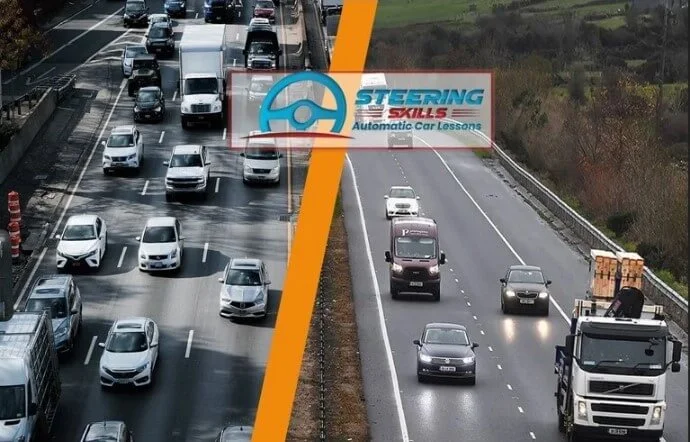
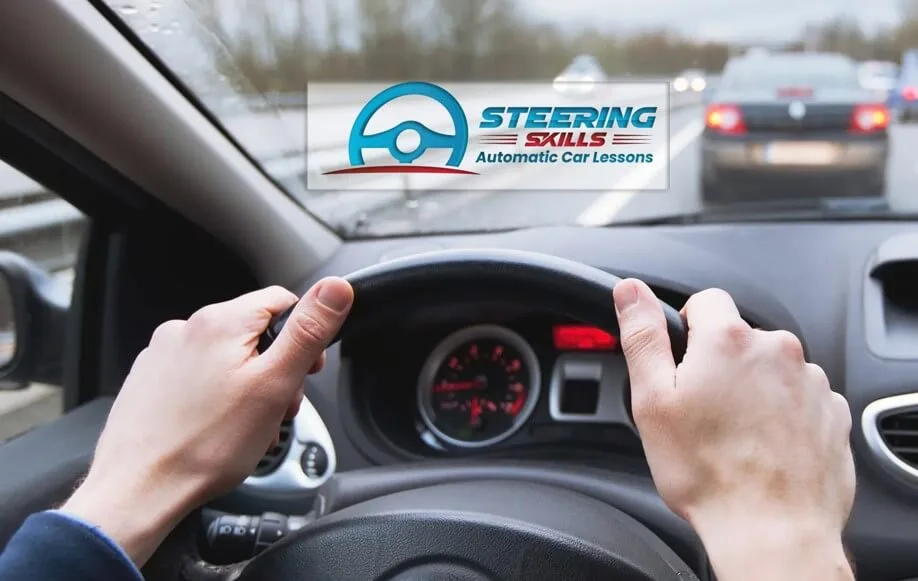
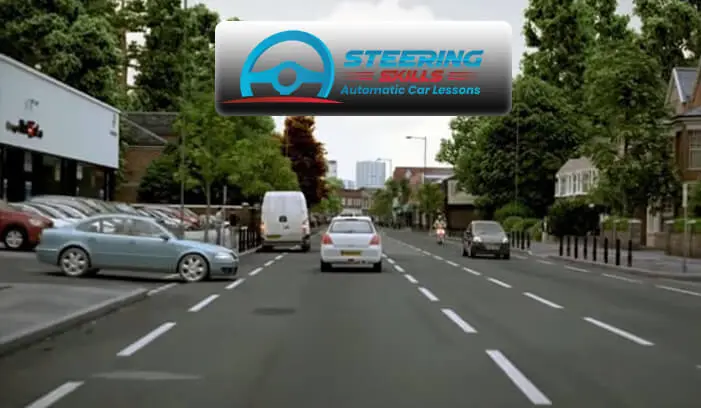
London traffic is often congested, especially during peak hours. Stop-start driving can be tiring for manual drivers who constantly use the clutch. Automatic cars remove this pressure, allowing learners to focus on observation and steering. SteeringSkills UK highlights that many London learners prefer automatics due to traffic conditions. However, some learners still enjoy mastering manual control. Traffic environment plays a significant role in determining which option feels easier and more practical for daily driving in London.
Learning Curve for Automatic Driving
Automatic cars generally have a shorter learning curve. Without clutch control and gear changes, learners can focus on road awareness, speed control, and hazard perception. This simplicity often leads to faster progress and reduced lesson time. SteeringSkills UK notes that many nervous learners gain confidence quicker in automatic vehicles. Automatic lessons allow beginners to concentrate on safe driving behaviours rather than vehicle mechanics. This makes automatic driving appealing for learners who want a smoother learning experience.
Learning Curve for Manual Driving
Manual driving requires coordination between clutch, gears, and accelerator. This can be challenging initially, especially in busy London traffic. However, mastering manual control builds strong vehicle handling skills. SteeringSkills UK supports learners who want to learn manual driving by providing structured, patient instruction. Although the learning curve is steeper, many learners find satisfaction in mastering manual driving. With practice, manual driving becomes second nature and boosts overall driving confidence.
Test Pass Rates and Confidence Levels
Pass rates can vary depending on transmission choice and learner confidence. Automatic learners often feel less stressed during tests because they manage fewer controls. SteeringSkills UK observes that reduced workload can improve focus and decision-making. Manual learners may take longer to feel confident but benefit from greater control once skilled. Confidence, preparation, and quality instruction matter more than transmission type. Choosing the option that best suits your learning style improves test performance.
Cost Differences Between Automatic and Manual Lessons
Automatic lessons are often slightly more expensive due to vehicle costs. However, learners may require fewer lessons, balancing overall expense. Manual lessons can be cheaper per hour but may take longer to master. SteeringSkills UK helps learners consider total cost rather than hourly rates. Budget, time, and learning speed should all factor into the decision. Understanding costs helps learners plan effectively and avoid surprises.
Driving Test Licence Restrictions Explained
Passing in an automatic car results in an automatic-only licence. Manual test passes allow drivers to operate both manual and automatic vehicles. SteeringSkills UK ensures learners understand this important distinction. Learners who expect to drive manual vehicles in the future may prefer manual lessons. Those committed to automatics may find the restriction acceptable. Licence flexibility is a key consideration when choosing transmission type.
Suitability for Nervous and First-Time Learners
Automatic cars are often ideal for nervous or first-time learners. Fewer controls reduce stress and improve focus. SteeringSkills UK frequently recommends automatics for learners who feel overwhelmed. Manual driving can also build confidence over time, but requires patience. Choosing the right option helps learners enjoy the learning process rather than fear it. Comfort and confidence should guide the decision.
Environmental and Fuel Considerations
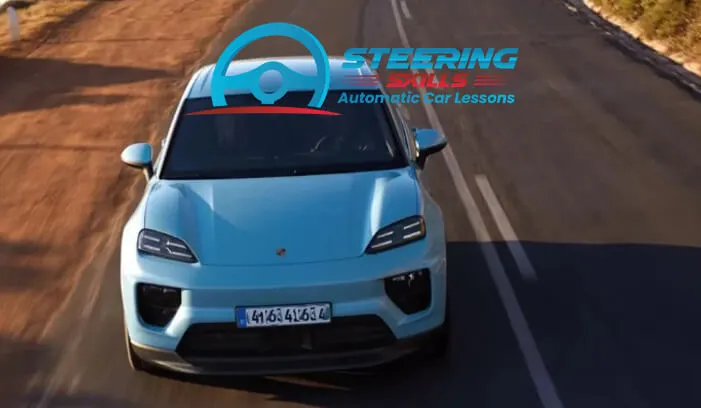
Modern automatic cars are increasingly fuel-efficient and environmentally friendly. Advances in technology have reduced the efficiency gap between manual and automatic vehicles. SteeringSkills UK explains that hybrid and electric cars are almost exclusively automatic. Learners interested in eco-friendly driving may lean toward automatics. Environmental considerations are becoming more important in London’s driving landscape.
Long-Term Driving Flexibility
Manual drivers enjoy greater flexibility when renting or borrowing vehicles. SteeringSkills UK highlights that manual licences provide broader options. However, automatic vehicles are becoming more common, especially in cities. Long-term plans influence which option makes sense. Considering future driving needs ensures learners make a choice that suits their lifestyle.
Automatic Cars and Urban Driving Convenience
Automatic cars offer convenience in urban environments. Smooth acceleration and easy control make city driving less stressful. SteeringSkills UK notes that automatics are well-suited to London’s stop-start conditions. Convenience is a major factor for commuters and city drivers. Automatic driving simplifies daily journeys.
Manual Cars and Skill Development
Manual driving builds strong technical skills and vehicle awareness. SteeringSkills UK supports learners who want to develop comprehensive driving abilities. Mastering manual control improves coordination and confidence. Although challenging, these skills benefit drivers in varied conditions. Manual driving offers a sense of achievement and control.
Switching Between Manual and Automatic Lessons
Some learners start with manual and switch to automatic, or vice versa. SteeringSkills UK accommodates flexible learning paths. Switching is possible if learners reassess their comfort level. Understanding both options helps learners adapt. Flexibility ensures learners reach their goals without unnecessary pressure.
Instructor Guidance in Choosing the Right Option
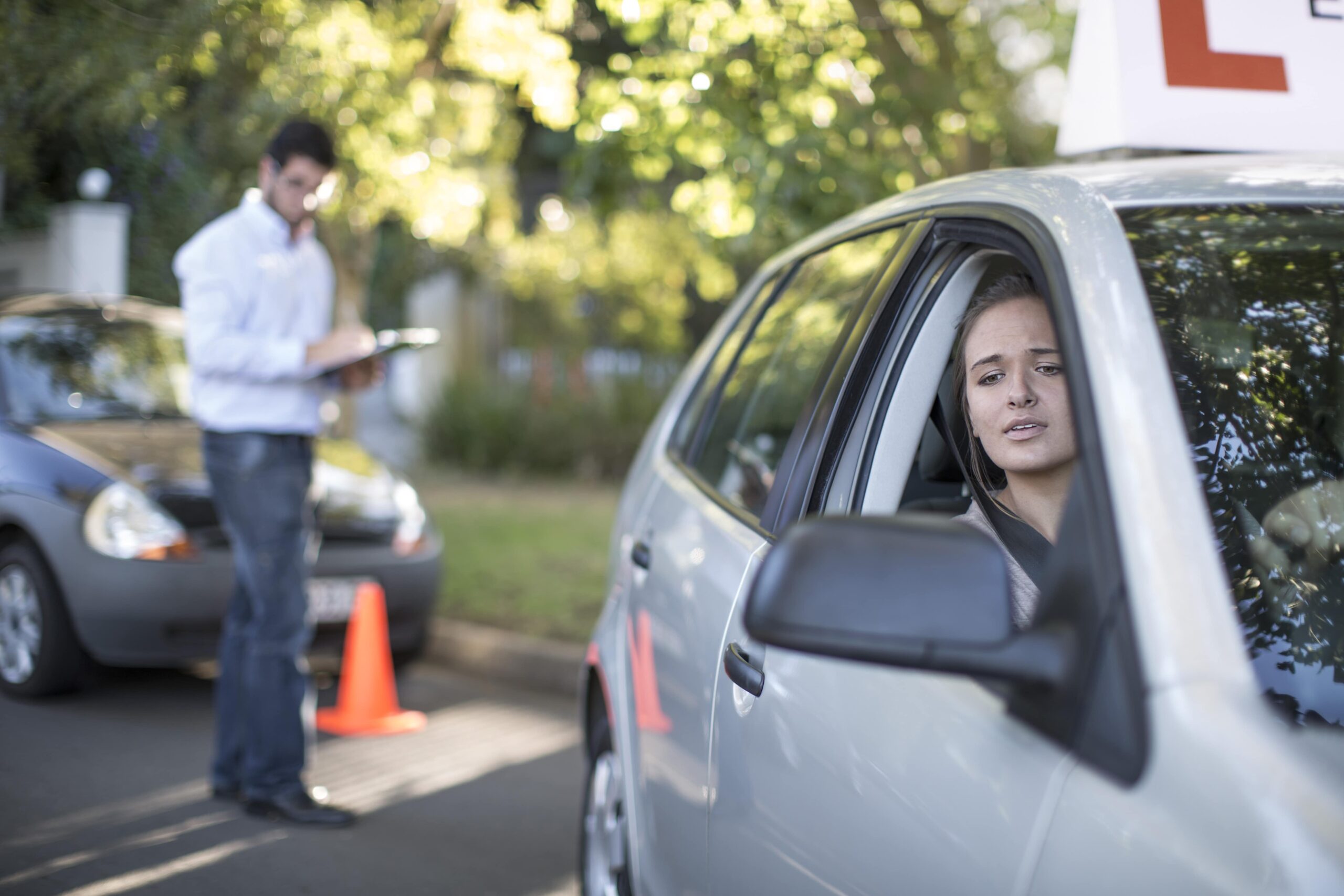
Professional instructors help learners decide which transmission suits them best. SteeringSkills UK instructors assess confidence, progress, and goals. Expert advice prevents wasted time and frustration. Instructor guidance ensures learners choose wisely based on real experience.
Making the Best Choice for Your London Lifestyle
Ultimately, the best choice depends on lifestyle, confidence, and future plans. SteeringSkills UK believes there is no single right answer. Both automatic and manual options can lead to safe, confident driving. Understanding personal needs leads to the best outcome.
Frequently Asked Questions
Is automatic easier to learn than manual?
Yes, most learners find automatic easier.
Is an automatic licence limited?
Yes, it restricts you to automatic vehicles.
Are automatic lessons more expensive?
They can be, but fewer lessons may be needed.
Can nervous learners choose automatic?
Yes, automatics suit nervous learners well.
Is manual better for long-term flexibility?
Yes, manual licences offer more options.
Do automatics work well in London traffic?
Yes, they are ideal for stop-start driving.
Can I switch from manual to automatic?
Yes, switching is possible.
Are electric cars automatic?
Yes, electric cars are automatic.
Which option has higher pass rates?
Confidence and preparation matter most.
Why choose SteeringSkills UK?
SteeringSkills UK offers expert guidance for both options.
Read more blogs:
Automatic vs Manual Cars | Is Driving in London Easier Than You Think? | Master Driving Skills with London’s Top Instructors
Preparing for Your Driving Theory Test | Driving in London This December