
Preparing for Your Driving Theory Test: Simple Study Tips
Understanding the Driving Theory Test Structure
The driving theory test is designed to check your knowledge of road rules, traffic signs, and safe driving practices before you move on to the practical test. It usually includes two main parts: multiple-choice questions and the hazard perception test. Understanding how these sections work helps reduce anxiety and improves focus during preparation. The multiple-choice section tests your understanding of the Highway Code, road safety, and driving laws, while the hazard perception section measures how quickly you can identify developing hazards. SteeringSkills UK advises learners to study both parts equally, as passing requires success in each section. When you clearly understand the structure, you can plan your revision more effectively and avoid unpleasant surprises on test day.
Creating a Consistent Study Routine
A consistent study routine is one of the most effective ways to prepare for your theory test. Instead of cramming information at the last minute, spreading your study sessions over several weeks improves memory and understanding. Short, focused sessions work better than long, tiring ones. Studying at the same time each day helps build discipline and makes learning a habit. SteeringSkills UK recommends setting realistic goals, such as covering one topic or completing a practice test per session. A steady routine allows time for revision, practice, and improvement, helping learners feel confident and well prepared as the test date approaches.
Using Official Learning Materials First
Official learning materials are the most reliable source of information for theory test preparation. These resources are created based on current test standards and reflect the latest road rules and regulations. Relying on unofficial or outdated content can lead to confusion and incorrect answers. Official handbooks, approved apps, and trusted practice platforms should form the foundation of your study. SteeringSkills UK encourages learners to start with these materials before exploring additional guides or videos. Building your knowledge from accurate sources ensures you are learning exactly what the examiners expect, increasing your chances of passing on the first attempt.
Mastering Road Signs and Markings
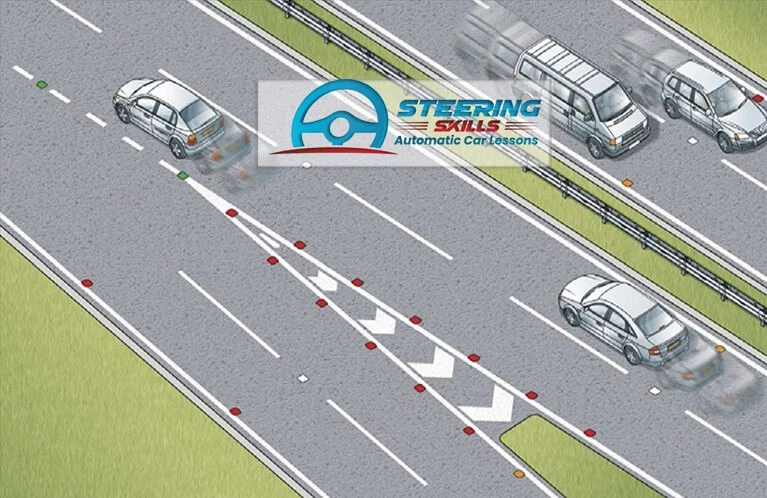
Road signs and markings are a major part of the theory test and everyday driving. Learners must recognise warning signs, regulatory signs, and information signs quickly and accurately. Understanding shapes, colours, and symbols makes recognition easier under exam conditions. Rather than memorising blindly, linking signs to real driving situations improves understanding. SteeringSkills UK suggests using visual charts, flashcards, and quizzes to reinforce learning. Strong knowledge of road signs not only helps you score well in the theory test but also builds safer driving habits for real-world conditions.
Learning the Highway Code Effectively
The Highway Code is the backbone of the driving theory test and contains essential rules, advice, and legal requirements for road users. Simply reading it once is rarely enough. Learners should break it into sections and study it gradually. Taking notes, highlighting key points, and summarising rules in your own words improves retention. SteeringSkills UK recommends revisiting difficult sections regularly and applying rules to everyday driving scenarios. A solid understanding of the Highway Code ensures you answer questions accurately and develop responsible driving behaviour that carries into your practical lessons.
Improving Hazard Perception Skills
Hazard perception is often the most challenging part of the theory test for learners. It requires you to spot developing hazards early and respond at the right moment. This skill improves with practice rather than memorisation. Watching hazard perception clips repeatedly helps you recognise common patterns such as pedestrians stepping into the road or vehicles braking suddenly. SteeringSkills UK advises learners to practise clicking slightly earlier rather than reacting too late. Developing strong hazard perception skills not only helps you pass the test but also makes you a safer and more confident driver.
Using Practice Tests to Build Confidence
Practice tests play a vital role in theory test preparation. They familiarise you with the question style, wording, and time pressure of the real exam. Taking regular mock tests helps identify weak areas that need more attention. Reviewing incorrect answers is just as important as answering questions correctly. SteeringSkills UK recommends continuing practice tests until you consistently score above the pass mark. This approach builds confidence and reduces nervousness, making the real test feel familiar rather than intimidating.
Avoiding Common Theory Test Mistakes
Many learners fail the theory test due to avoidable mistakes rather than lack of knowledge. Rushing through questions, misreading details, or overthinking simple answers can cost valuable marks. Some learners also neglect hazard perception practice, focusing only on multiple-choice questions. SteeringSkills UK advises reading each question carefully and managing your time wisely. Staying calm and focused reduces careless errors. Understanding common mistakes helps learners approach the test with greater awareness and accuracy, improving their overall performance.
Staying Motivated During Your Preparation
Maintaining motivation throughout theory test preparation can be challenging, especially when studying feels repetitive. Setting small goals and tracking progress helps keep motivation high. Rewarding yourself after completing study sessions can also make learning more enjoyable. Studying with a friend or using interactive apps adds variety. SteeringSkills UK encourages learners to remember that passing the theory test is a key step toward driving independence. Staying positive and consistent makes the learning process smoother and more rewarding.
Effective Revision Techniques That Work
Revision is essential for reinforcing what you have learned. Techniques such as flashcards, spaced repetition, and summarising notes improve long-term memory. Revisiting topics at regular intervals prevents forgetting important information. Teaching someone else what you have learned can also strengthen understanding. SteeringSkills UK recommends mixing different revision methods to suit your learning style. Effective revision ensures you feel confident and prepared as your theory test date approaches.
Managing Stress and Test Anxiety
Feeling nervous before the theory test is normal, but stress can affect performance if not managed properly. Simple techniques such as deep breathing, positive thinking, and proper rest can make a big difference. Arriving early on test day allows time to settle and focus. SteeringSkills UK reminds learners that preparation leads to confidence. When you trust your study efforts, anxiety reduces and concentration improves during the test.
Preparing for Test Day Successfully
Good preparation on test day helps everything run smoothly. Make sure you know the test centre location, arrive early, and bring the required identification. Avoid last-minute cramming, as it can increase stress. Staying calm and focused allows you to apply what you have learned effectively. SteeringSkills UK advises learners to treat the theory test as an opportunity to demonstrate knowledge rather than a challenge to fear. A confident mindset supports better decision-making and performance.
How SteeringSkills UK Supports Learners
SteeringSkills UK supports learner drivers by providing clear guidance, structured learning tips, and practical advice for theory test success. By focusing on simplicity, accuracy, and learner confidence, SteeringSkills UK helps candidates prepare effectively without feeling overwhelmed. The goal is not only to pass the theory test but also to build strong foundations for safe and responsible driving. With the right approach and support, learners can achieve success and move forward confidently in their driving journey.
Frequently Asked Questions
How long should I study for the theory test?
Most learners benefit from studying consistently for two to four weeks.
Is the hazard perception test difficult?
It can be challenging, but regular practice makes it much easier.
Are practice tests enough to pass?
Practice tests help greatly but should be combined with learning the Highway Code.
Can I retake the theory test if I fail?
Yes, you can rebook the test after the required waiting period.
How does SteeringSkills UK help learners?
SteeringSkills UK provides structured guidance and study-focused resources to support learners.