
How to Choose the Best Driving School in London
How to Choose the Best Driving School in London is a big task. Learning to drive is an exciting milestone, but choosing the right driving school can make all the difference between becoming a confident driver or a nervous one. If you live in London — one of the busiest and most complex driving environments in the UK — selecting a professional, experienced, and reliable driving school is essential. This guide will help you find the best driving school in London that matches your needs, goals, and budget.
Check the School’s Reputation and Reviews
Before enrolling, research the school’s reputation. Read online reviews on Google or Trustpilot, and look for feedback about instructor patience, punctuality, and teaching quality. A school with consistent positive ratings and recommendations from former students is often a safe choice.
Ensure the Instructors Are DVSA-Approved
A qualified instructor makes all the difference. Always check if your driving instructor is approved by the DVSA (Driver and Vehicle Standards Agency). Approved Driving Instructors (ADIs) have passed rigorous assessments and follow strict safety standards.
Compare Lesson Packages and Prices
Driving schools in London offer various lesson packages, including pay-as-you-go or discounted block bookings. Compare the options carefully. While low prices may seem attractive, ensure the lessons are long enough and the instructors are well-trained. Transparency in pricing is a key sign of professionalism.
4. Look for Flexible Scheduling Options
Choose a school that offers flexible scheduling to suit your lifestyle. Many top London driving schools offer lessons in the mornings, evenings, or weekends. Some even provide pick-up and drop-off services to make learning convenient.
Choose Between Manual and Automatic Lessons
Decide whether you want to learn in a manual or automatic car. Manual lessons give you more control and flexibility, while automatic lessons are easier for beginners. Many driving schools offer both options depending on your preference.
Check Pass Rates
A high pass rate is one of the best indicators of a good driving school. Ask for their recent pass statistics or check online. Schools with high pass rates usually have better teaching methods and experienced instructors who understand what examiners look for.
Evaluate the Instructor’s Communication Style
Communication is key when learning to drive. A good instructor should be patient, calm, and encouraging. They should explain driving rules clearly and correct mistakes in a supportive way. Feeling comfortable with your instructor builds confidence behind the wheel.
Ask About Mock Tests and Progress Tracking
Top driving schools in London conduct mock tests to prepare you for the real driving test. Some also offer progress reports, so you can track your improvement and know when you’re ready for the actual exam.
Check for Dual-Controlled Cars
Safety comes first. The driving school should provide dual-controlled cars, allowing the instructor to take control in case of an emergency. The cars should be modern, well-maintained, and insured for learner drivers.
Local Knowledge and Test Route Experience
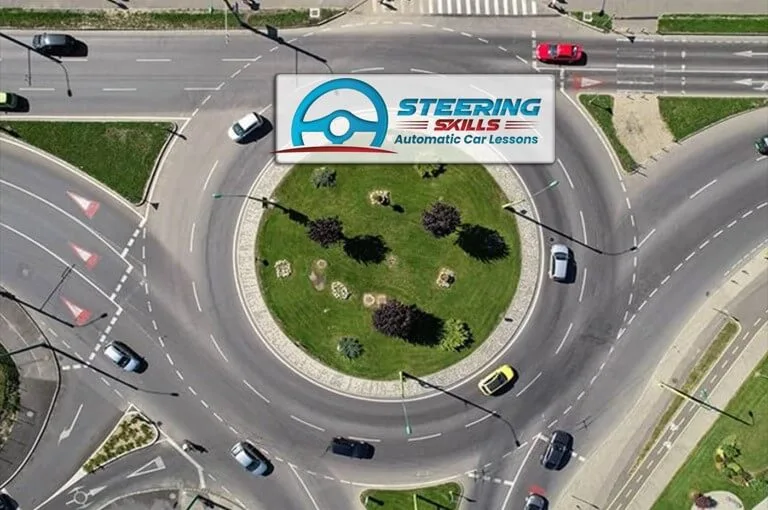
Choose a school that knows the local test routes and London’s driving conditions. Instructors with local experience can help you practice real-life challenges such as roundabouts, bus lanes, and one-way streets — all common in London.
Frequently Asked Questions (FAQs)
1. What is the average cost of driving lessons in London?
Driving lessons in London usually cost between £30 to £40 per hour. Some schools offer discounts for block bookings or student packages.
2. How many lessons do I need before taking the driving test?
On average, learners need about 40–50 hours of lessons, but this varies depending on confidence, experience, and practice frequency.
3. What is the difference between an ADI and a PDI instructor?
An ADI (Approved Driving Instructor) is fully qualified, while a PDI (Potential Driving Instructor) is still in training and teaching under supervision.
4. Is it better to learn manual or automatic in London?
If you plan to drive in busy city areas, automatic cars can be easier. However, learning manual gives you more flexibility when hiring or buying vehicles.
5. How can I find out a school’s pass rate?
Most reputable schools share their pass rates on their website or social media. You can also ask directly before booking.
6. Can I choose a male or female instructor?
Yes, most schools allow you to choose based on your comfort level. Many female learners prefer female instructors for a more relaxed experience.
7. Do driving schools help with the theory test?
Some driving schools offer theory test preparation, including online resources, apps, and mock exams to help you succeed.
8. How long does it take to get a UK driving licence?
It depends on lesson frequency and test availability. On average, it takes 3–6 months from your first lesson to getting your licence.
9. What happens if I fail my driving test?
If you fail, your instructor will review your mistakes, provide feedback, and help you prepare for a retest. Many schools offer refresher lessons for this.
10. Why is choosing the right driving school important?
A good driving school not only helps you pass your test but also teaches safe, confident driving skills that last a lifetime.
Read more blogs and updates:
Motorway Driving Lessons with SteeringSkills | Night Driving Tips for New Drivers in London
How to Overcome Driving Anxiety