
How can i become a driving instructor
Understanding the Path to Becoming a Driving Instructor
Becoming a driving instructor in the UK is a rewarding career for those who enjoy teaching and road safety. The journey begins with understanding the legal requirements, qualifications, and structured driving instructor courses offered across the country. Whether you aim to teach manual or automatic vehicles, you must follow DVSA-approved steps that ensure you can train learners confidently. Many people choose this profession because it offers flexibility, growth, and independence. The process includes studying for theory tests, completing practical assessments, and receiving professional mentorship. High-quality support helps trainees build communication skills, patience, and confidence. With consistent practice and a passion for teaching, anyone can become a successful instructor in this industry.
The Importance of Driving Instructor Courses
Structured driving instructor courses help trainees develop the knowledge and teaching ability required to guide learners safely. These courses include classroom training, practical sessions, mock assessments, and road demonstrations. A certified mentor ensures you understand vehicle control, hazard perception, and learner psychology. Modern courses also integrate digital resources, online study portals, and real-world training footage. These elements help you adapt to different learning styles and teach students effectively. Whether you are preparing for Part 1, Part 2, or Part 3 of the ADI exam, a professional program keeps you on track. Investing in the right course increases your chances of qualifying quickly and becoming a well-trained instructor.
Training for Driving Instructor Qualification
To begin training for driving instructor, you must meet DVSA eligibility criteria, including having a clean driving record and several years of supervised driving. Training programs are usually divided into theory preparation, driving skill enhancement, and teaching ability development. Each level builds your confidence and sharpens your communication skills. Trainees learn how to manage diverse learners, including nervous beginners and drivers with experience gaps. Additionally, professional tutors guide you through mock tests to assess your readiness. Many candidates find that consistent practice and detailed feedback help them master tricky areas faster. The goal of training is to ensure you can teach safely, adapt quickly, and maintain professional standards.
Beginner Lessons: Starting With 1 Hour Driving Lessons
Some learners begin their journey with 1 hour driving lessons, which offer a simple and manageable approach for beginners. As a future instructor, understanding the structure of these short sessions is essential. They focus on basic skills such as clutch control, mirror checks, steering, and smooth braking. New drivers appreciate short lessons because they reduce stress and allow for better information absorption. You’ll learn how to design lesson plans that suit individual needs. These small sessions also teach you how to identify common mistakes and correct them early. Building confidence slowly helps learners become comfortable with vehicle control and prepares them for longer lessons later.
Intensive Skills Building With 10 Hours Driving Lessons
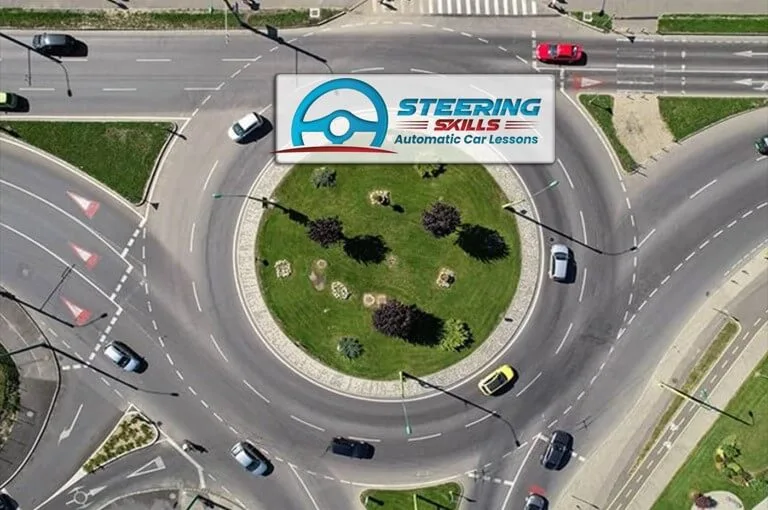
Many instructors also provide 10 hours driving lessons, ideal for learners who prefer intensive practice. These sessions allow significant progress in a short time, helping students work on roundabouts, junctions, reversing, and maneuvering. During your training, you’ll learn how to structure these lessons effectively to maximize improvement. You will practice giving instructions clearly, observing learner behavior, and offering constructive feedback. Intensive lessons help instructors understand speed adaptation, lane positioning, and traffic awareness. They also help you learn to manage fatigue and maintain concentration during long teaching sessions. This experience strengthens your teaching style and helps learners become test-ready more efficiently.
Teaching Manual vs Automatic Car Lessons
As the demand for both vehicle types increases, understanding the differences between teaching manual and automatic becomes essential. The best driving instructors for Automatic and Manual Car Lesson in London UK often specialize in both to meet broader student needs. Manual lessons include clutch balancing, gear shifting, and engine control techniques. Automatic lessons focus on road awareness, steering precision, and hazard anticipation. When you train to become an instructor, you will learn how to personalize teaching methods for each transmission type. Being qualified in both areas increases your job opportunities, improves student satisfaction, and helps you establish a strong presence in London’s competitive market.
Training of Driving Instructors in Belvedere
The Training of Driving Instructors in Belvedere is known for its quality, structured programs, and expert coaching. Belvedere has become a popular training area because it offers varied road conditions, giving trainees valuable practical experience. From quiet residential streets to busy main roads, instructors learn how to manage different environments. The supportive training centres in Belvedere emphasize communication skills, test preparation, and teaching strategies tailored to London learners. Many trainees appreciate the area because it allows consistent exposure to real driving scenarios. This hands-on training helps you become confident, adaptable, and prepared for DVSA assessments, ensuring professional teaching competence.
Understanding Driver Instructor Training Courses
Various Driver Instructor training courses exist across the UK, each designed to prepare instructors for DVSA examinations. These courses include theoretical modules, practical driving sessions, and teaching evaluation exercises. You will learn essential topics such as road regulations, vehicle safety, student assessment, and coaching techniques. Each program includes mock tests, supervised instruction, and feedback to help you improve. The courses are built to enhance your communication, observation, and decision-making skills, ensuring you can handle different learner personalities. With professional guidance, you will gain confidence and develop the expertise to deliver safe and effective lessons.
Choosing the Right Instructor Training School
Selecting the right training school is a major step. Look for accredited centres with experienced ADI trainers, flexible programs, and strong exam pass rates. A reputable school provides structured lesson plans, practice materials, mock assessments, and regular progress updates. Trainees should also consider schools offering real teaching opportunities with learners under supervision. This hands-on exposure is essential for developing practical teaching skills. A good school tailors training packages to your pace and learning style, ensuring you stay confident. Reviews, testimonials, and instructor feedback can help you make the best decision and start a successful career.
Building Confidence as a New Instructor
Confidence plays a vital role in becoming a successful instructor. Through structured training, mock lessons, and real-world practice, you develop the ability to teach calmly and professionally. Many trainees struggle initially with speaking clearly or giving step-by-step instructions. However, practice helps you overcome these challenges. Understanding road rules, anticipating learner mistakes, and maintaining patience all contribute to building confidence. Experienced mentors also support you with detailed feedback and improvement strategies. The more you practice, the more natural instruction becomes, helping you feel prepared to teach students of all skill levels.
Benefits of Becoming a Driving Instructor
Working as a driving instructor offers job flexibility, stable income, personal satisfaction, and career independence. Many instructors enjoy setting their own schedules and working in local areas. Helping learners gain confidence and pass their tests provides a strong sense of purpose. Additionally, instructors can offer both manual and automatic lessons to expand their client base. With experience, many professionals open their own schools, train other instructors, or specialise in advanced driving. The profession is ideal for individuals who value communication, patience, and road safety. It offers long-term growth, financial stability, and continuous learning opportunities.
Career Growth and Future Opportunities
After becoming qualified, driving instructors can explore various career paths, including working with schools, private academies, or as independent trainers. Many professionals specialize in intensive courses, refresher lessons, defensive driving, or advanced training. Some even train to become part of DVSA’s instructor examiners. The industry continues to grow with the demand for safe and confident drivers. As vehicle technology evolves, instructors will also adapt to hybrid, electric, and autonomous driving methods. Career progression depends on your dedication, teaching style, and customer relationships. The more experience you gain, the more opportunities unfold in this field.
FAQs
What qualifications are needed to become a driving instructor?
You need a full UK driving licence, a clean record, and must pass DVSA-approved ADI exams.
How long does it take to complete instructor training?
Training duration varies but usually takes several months, depending on your availability and course intensity.
Can I teach in both manual and automatic cars?
Yes, if you are fully qualified, you can offer lessons in both vehicle types.
Is Belvedere a good place for instructor training?
Yes, Belvedere offers diverse road conditions and expert trainers.
Are intensive instructor courses worth it?
Intensive courses help you qualify faster and build strong teaching confidence.
Read more blogs:
Automatic Driving Lessons Marksgate London | Road Signs Every Learner Should Know
Understanding the Challenges of Night Driving in London | Car Parking Made Simple for Learners