
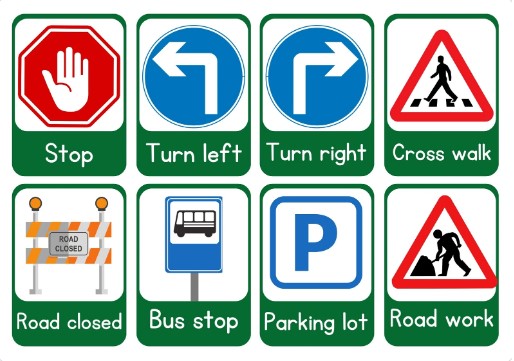
Road Signs Every Learner Should Know
Understanding the Importance of Road Signs for London Learners
Road signs are essential for every learner driver navigating London’s busy streets, helping maintain safety, order, and confidence behind the wheel. SteeringSkills.UK highlights that knowing these signs improves decision-making, reduces stress, and enhances overall driving awareness. From regulatory and warning signs to direction and information boards, each plays a crucial role in guiding road users. Learners must become familiar with common signs such as give way, no entry, pedestrian crossings, and bus-lane indicators. LSI and NLP keywords like UK road and traffic signs, London driving rules, and learner driver guidance help reinforce the significance of mastering these visual cues for safer and smoother journeys.
Recognising Regulatory Signs on London Roads
Regulatory signs are mandatory instructions that every learner must follow, and they are especially important in London’s high-traffic areas. These include signs for speed limits, no parking zones, one-way streets, and restricted bus lanes. SteeringSkills.UK advises learners to pay special attention to circular red-bordered signs, as ignoring them could lead to penalties or unsafe driving situations. Understanding common rules such as 20 mph zones, low-traffic neighbourhoods, and congestion areas ensures safer driving habits. NLP terms like mandatory road signs UK and driver compliance highlight how essential it is to obey these signs for smoother navigation through London’s complex road network.
Mastering Warning Signs for Safer Driving
Warning signs alert drivers to potential hazards ahead, making them vital for learner drivers building real-world experience. These triangular signs warn of sharp bends, slippery surfaces, pedestrian crossings, and nearby schools. London’s unique environment includes additional warnings for tramways, cycle-only zones, and roadworks, which learners must recognise quickly. SteeringSkills.UK encourages practice in different boroughs to understand how these signs vary across road types. LSI keywords such as hazard awareness, road safety signs UK, and learner driver preparation enhance understanding of how these warnings protect drivers and pedestrians by encouraging early and cautious responses.
Understanding Directional Signs for Smooth Navigation
Directional signs help drivers find their way, especially useful for learners unfamiliar with London’s layout. These rectangular signs display route numbers, motorway symbols, local destinations, and major city landmarks. SteeringSkills.UK recommends studying both colour codes and arrow formats: blue signs for motorways, green for primary routes, and white for local roads. In busy areas like central London, directional signs support smoother decision-making, reducing last-minute lane changes and confusion. NLP and LSI keywords such as navigation for learners, London driving routes, and directional guidance UK emphasise the value of recognising these signs for confident, stress-free travel.
Night Driving Challenges Every New Driver Should Expect
Night driving presents unique challenges, especially for learners navigating London’s illuminated but complex road network. Reduced visibility makes it harder to judge distance, spot pedestrians, and read road signs. SteeringSkills.UK explains that learners must develop stronger observational skills and understand how lighting, glare, and fast-moving traffic affect night-time awareness. Busy nightlife zones, delivery drivers, and cyclists on darker roads require extra caution. LSI terms like night driving safety, London after-dark driving, and learner night-time navigation reinforce how vital proper preparation is. With consistent practice, learners can build confidence while managing these challenges calmly and responsibly.
Managing Visibility and Headlight Use at Night
Effective headlight use is crucial for safe night driving in London, allowing drivers to see clearly without dazzling others. Learners must know when to use dipped beams, full beams, and fog lights depending on weather and visibility conditions. SteeringSkills.UK highlights that poorly used headlights can cause accidents, especially in areas with heavy pedestrian activity or narrow streets. Cleaning mirrors, windscreens, and headlights regularly helps reduce glare and improves clarity. NLP phrases such as headlight safety, night visibility driving, and UK lighting rules stress the importance of responsible light usage to keep all road users safe during after-dark journeys.
Speed Control and Spacing for Night-Time Safety
Speed regulation becomes even more important at night due to limited visibility and unpredictable movements from other road users. Many London zones enforce 20 mph limits, especially in residential and high-risk pedestrian areas. SteeringSkills.UK encourages learners to maintain smooth acceleration, avoid harsh braking, and keep a greater following distance to ensure more reaction time. Heavier shadows, blind corners, and changing street lighting mean hazards may appear suddenly. LSI keywords like safe driving speed, night-time road spacing, and London driving limits highlight the importance of developing good speed management skills for safe night-time travel.
Navigating London’s Busy Night-Time Roads Confidently
London remains active late into the night, with buses, taxis, cyclists, and delivery riders sharing the roads. Learners must anticipate fast-moving traffic, sudden stops, and unpredictable pedestrian behaviour, especially around nightlife districts. SteeringSkills.UK recommends planning routes beforehand, using voice navigation, and avoiding distractions in poorly lit areas. Practising hazard perception and scanning the road more frequently helps new drivers react calmly to unexpected situations. NLP terms such as urban night driving techniques, London road awareness, and learner driver navigation underline how preparation and confidence help transform night driving from a challenge into a manageable skill.
Vehicle Preparation for Safe Driving at Night
Proper vehicle maintenance plays a major role in safe night driving. Learners should check that lights, indicators, and brake systems function perfectly before setting out. Clean windows and mirrors reduce glare, while good tyre pressure and tread depth improve stability on wet roads. SteeringSkills.UK also advises keeping emergency supplies like a torch, reflective jacket, and phone charger. LSI and NLP keywords such as vehicle safety checks, night-time car preparation, and learner maintenance habits demonstrate how simple routines boost safety and confidence. A well-maintained vehicle ensures a more secure and predictable night driving experience.
Practising Night Driving with Professional Guidance
Night driving requires experience, patience, and proper instruction, especially in a bustling city like London. SteeringSkills.UK offers specialised evening lessons to help learners understand glare, judge distance better, and adapt to fast-changing conditions. Professional guidance builds essential decision-making skills and ensures new drivers feel prepared for real-world scenarios. LSI and NLP keywords like advanced learner training, professional night driving lessons, and UK learner confidence building show the value of expert support. With structured practice and the right techniques, learners can approach night driving with confidence, competence, and improved road awareness.
Frequently Asked Questions
What road signs should London learners focus on first?
Learners should start with regulatory, warning, and directional signs, as these appear most frequently on London roads and are essential for safe driving.
Why is night driving more difficult for new drivers?
Reduced visibility, glare from headlights, and busy city roads make night driving more challenging, requiring sharper focus and stronger hazard awareness.
How can I improve visibility while driving at night?
Use dipped headlights correctly, keep windows and mirrors clean, and avoid staring directly at oncoming lights to reduce glare and improve clarity.
Do London’s speed limits change at night?
Speed limits remain the same, but learners should be extra cautious due to reduced visibility and increased evening pedestrian and cyclist activity.
Is professional night driving training recommended?
Yes, lessons from SteeringSkills.UK help learners build confidence, improve hazard perception, and adapt to London’s unique night-time driving conditions.
Read more blogs:
Night Driving Tips for New Drivers in London | How to Choose the Best Driving School in London