
Driving in London This December: Tips for Winter Roads and Busy Streets
Understanding December Driving Conditions in London
Driving in London during December presents unique challenges due to colder weather, shorter daylight hours, and increased traffic volumes. Roads are often wetter, visibility can be reduced by fog or rain, and temperatures may drop unexpectedly. In addition, the festive season brings more pedestrians, tourists, and delivery vehicles onto the roads. SteeringSkills UK emphasises that understanding these conditions is the first step to safe winter driving. When drivers anticipate seasonal changes, they can adjust speed, increase following distances, and remain alert. December driving is not about rushing but adapting calmly to the environment. With preparation and awareness, navigating London’s winter roads becomes far less stressful than many expect.
Preparing Your Vehicle for Winter Roads
Vehicle preparation is essential for safe driving in London during December. Cold weather can affect tyres, brakes, batteries, and visibility systems. Drivers should ensure tyres have adequate tread depth and correct pressure, as wet roads reduce grip. Windscreen wipers, washer fluid, and demisters must function properly to maintain clear vision. SteeringSkills UK recommends checking lights regularly, as darker evenings demand full visibility. A well-maintained vehicle responds better in slippery or congested conditions. Preparing your car in advance reduces breakdown risks and increases confidence when driving on busy winter streets.
Managing Reduced Daylight and Visibility
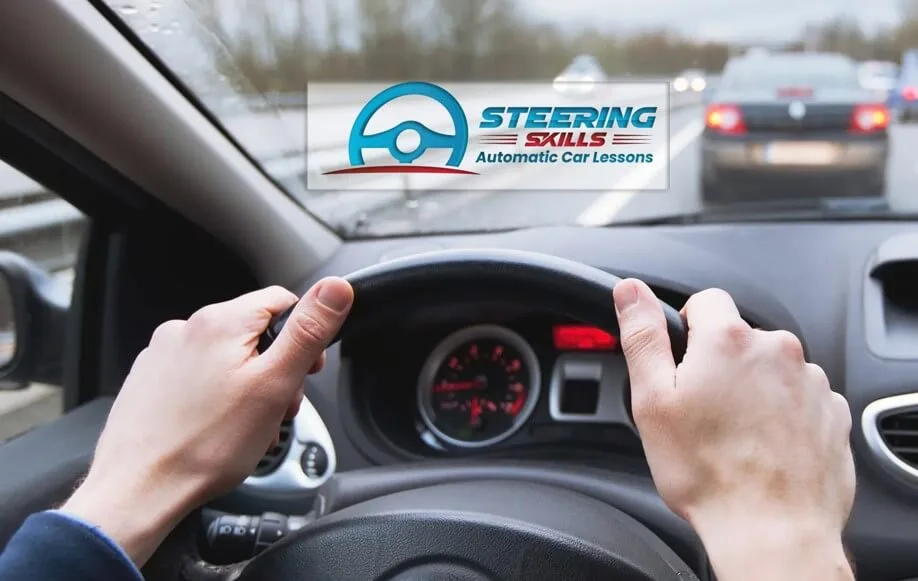
December brings shorter days, meaning many journeys occur in low-light or dark conditions. Reduced visibility makes hazard perception more challenging, especially in busy London areas. Drivers must use headlights correctly, avoid glare, and keep windscreens clean. SteeringSkills UK trains drivers to anticipate hazards earlier and scan the road more effectively in darker conditions. Fog, rain, and reflections from wet roads can further limit vision. Slowing down and maintaining safe distances are key strategies. Adapting to reduced daylight helps drivers remain calm and in control throughout winter journeys.
Handling Wet and Slippery Road Surfaces
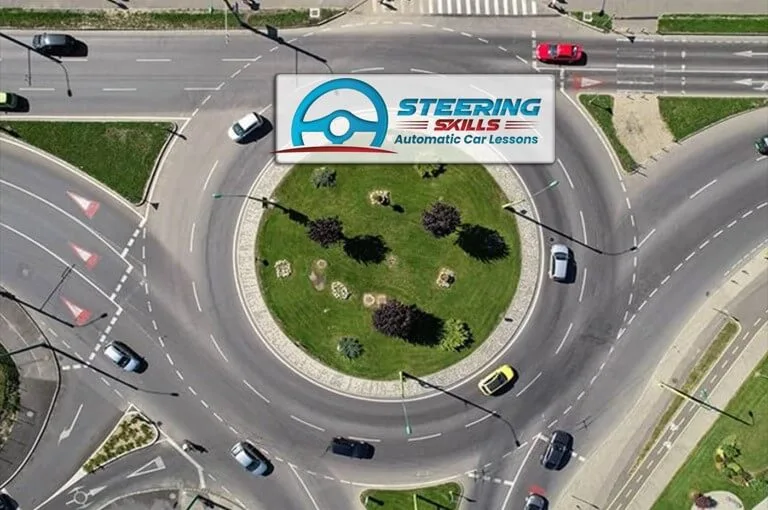
Winter rain and occasional frost make London roads slippery in December. Smooth acceleration, gentle braking, and controlled steering help maintain traction. Sudden movements increase the risk of skidding, especially at junctions and roundabouts. SteeringSkills UK teaches drivers to read road surfaces and adjust driving style accordingly. Increasing following distances allows more time to react. Wet roads require patience and precision rather than speed. Understanding how to drive smoothly in these conditions significantly improves safety on winter roads.
Coping with Increased Traffic and Congestion
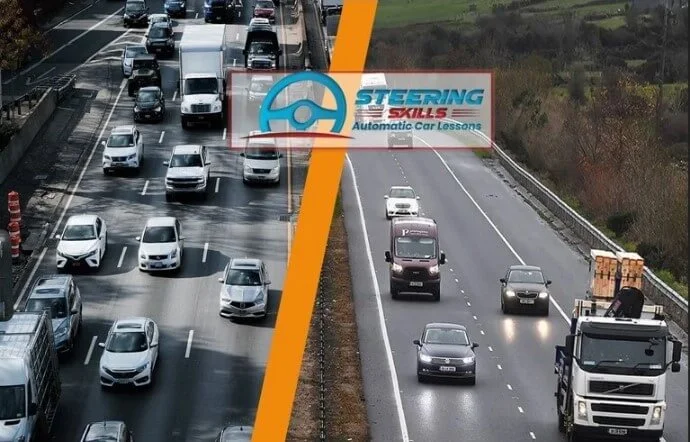
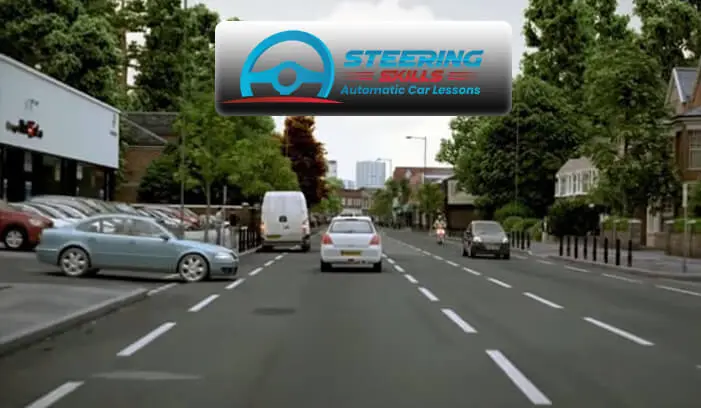
December traffic in London intensifies due to holiday shopping, events, and deliveries. Congestion can test patience and concentration. SteeringSkills UK encourages drivers to plan routes in advance and allow extra travel time. Staying calm, maintaining lane discipline, and anticipating stop-start traffic are essential skills. Congestion offers an opportunity to practise clutch control and smooth braking. Accepting delays rather than fighting them reduces stress. Managing traffic calmly makes December driving safer and more manageable.
Navigating Busy High Streets and Shopping Areas
High streets become extremely busy in December with pedestrians, cyclists, and buses. Drivers must remain alert to sudden crossings and changing traffic signals. SteeringSkills UK highlights the importance of scanning pavements and anticipating pedestrian behaviour. Lower speeds and controlled positioning improve safety. Shopping areas demand patience and courtesy. Awareness of bus lanes and loading zones prevents errors. Driving carefully through busy streets protects vulnerable road users and reduces driving stress.
Understanding Winter Speed Management
Speed management is crucial during December driving. Wet roads, limited visibility, and heavy traffic require slower speeds. SteeringSkills UK teaches drivers that speed limits are maximums, not targets. Adjusting speed to conditions demonstrates safe judgement. Slower driving allows better control and reaction time. Drivers who manage speed effectively reduce risks and improve confidence. Winter driving rewards patience and foresight.
Dealing with Fog, Rain, and Poor Weather
London’s December weather can change rapidly. Fog and heavy rain demand extra caution. Drivers should use appropriate lights, avoid sudden braking, and increase observation. SteeringSkills UK advises against using high beams in fog, as they reduce visibility. Staying calm and focused during poor weather prevents panic responses. Weather awareness is a vital winter driving skill that keeps journeys safe.
Safe Driving Around Pedestrians and Cyclists
December sees more pedestrians and cyclists on London roads, especially near shopping districts. Dark clothing and poor visibility increase risks. SteeringSkills UK stresses careful observation, reduced speed, and clear signalling. Giving cyclists adequate space and respecting crossings are essential. Protecting vulnerable road users is a key responsibility during winter driving. Awareness and patience ensure safer shared road use.
Planning Routes and Journey Timing
Effective journey planning makes December driving easier. Avoiding peak hours and known congestion points reduces stress. SteeringSkills UK recommends checking traffic updates and allowing buffer time. Planning reduces rushed decisions and improves safety. Smart timing helps drivers stay calm and focused even during busy periods.
Staying Calm and Focused in Festive Traffic
Festive traffic can increase frustration, but calm driving improves safety. SteeringSkills UK teaches drivers to remain patient, breathe steadily, and focus on the road. Avoiding aggressive reactions keeps control intact. Calm drivers make better decisions and reduce accident risks. Maintaining focus is essential during busy December journeys.
Learning Winter Driving Skills with Professionals
Professional instruction helps drivers adapt to winter conditions effectively. SteeringSkills UK offers guidance tailored to December challenges. Instructors teach smooth control, hazard awareness, and confidence-building techniques. Professional training makes winter driving safer and less intimidating.
Why December Is a Great Time to Improve Driving Skills
December driving exposes drivers to diverse conditions that build experience. SteeringSkills UK believes winter challenges strengthen driving skills. Learning to adapt improves confidence and long-term safety. With the right mindset, December becomes an opportunity for growth rather than fear.
Frequently Asked Questions
Is driving in London harder in December?
It can be busier, but preparation makes it manageable.
Do I need winter tyres in London?
They are not required, but good tread is essential.
How can I improve visibility in winter?
Keep lights, wipers, and screens clean.
Is it safe to drive during heavy rain?
Yes, with reduced speed and increased caution.
Are driving lessons useful in winter?
Yes, winter lessons improve confidence and control.
What time should I avoid driving in December?
Peak shopping hours are best avoided if possible.
Why choose SteeringSkills UK in winter?
SteeringSkills UK offers expert winter driving guidance.
Read more blogs:
Is Driving in London Easier Than You Think? | Master Driving Skills with London’s Top Instructors | Preparing for Your Driving Theory Test