
City Driving vs Country Driving in UK
Driving conditions vary dramatically across the United Kingdom, and understanding these differences is essential for road safety, confidence, and vehicle control. In this guide on City Driving vs Country Driving in UK, SteeringSkills UK explores the unique challenges, hazards, and skill adjustments required when transitioning between urban environments and rural roads. Although both settings demand careful observation and responsible decision-making, the risks and driving strategies differ significantly.
For many drivers, the contrast becomes most obvious when travelling between busy metropolitan areas such as London and quieter countryside routes. Each environment tests different aspects of a driver’s ability, awareness, and judgement.
Understanding the Basics of City Driving vs Country Driving in UK
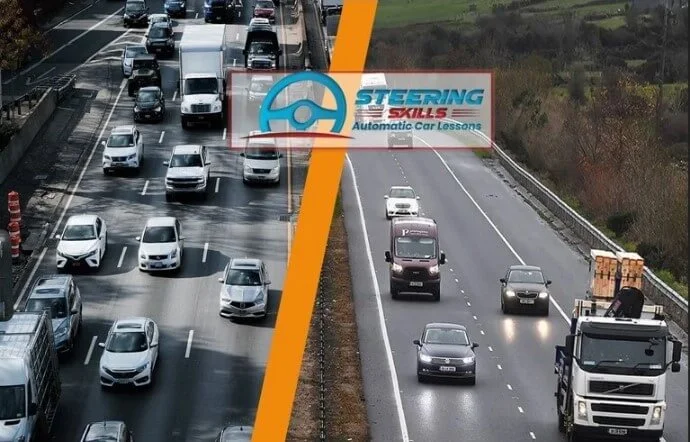
The most fundamental distinction in City Driving vs Country Driving in UK lies in traffic density and road structure. Urban driving typically involves congested streets, frequent stops, traffic lights, pedestrians, cyclists, and complex junctions. Rural driving, by contrast, features open roads, higher speeds, fewer vehicles, and different visibility challenges. SteeringSkills UK emphasises that neither environment is inherently easier. Instead, each requires specific techniques and mental adjustments. Drivers who excel in cities may feel uncomfortable on narrow country lanes, while rural drivers may find urban congestion stressful.
Traffic Complexity in City Driving vs Country Driving in UK
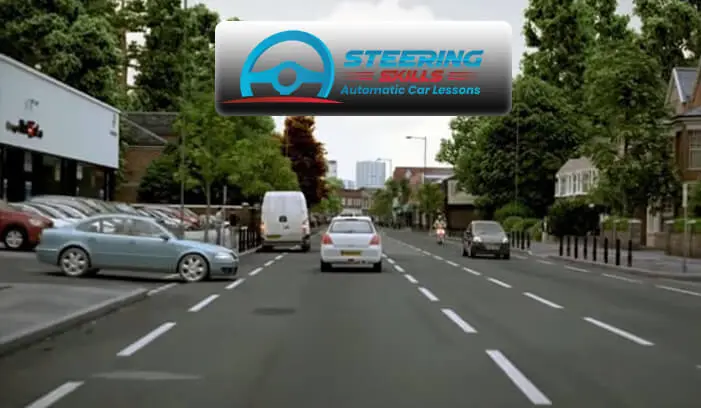
Urban roads present continuous interaction. In cities like London, drivers must constantly respond to lane changes, buses, taxis, delivery vehicles, and pedestrians. Traffic flow is dynamic and unpredictable, requiring patience and rapid hazard perception.
Country roads often appear calmer, but reduced traffic does not eliminate risk. SteeringSkills UK frequently reminds learners that rural hazards include sharp bends, hidden junctions, wildlife, slow-moving farm vehicles, and limited lighting.
Both settings require vigilance, but the nature of potential threats differs greatly.
Speed Management and City Driving vs Country Driving in UK
Speed behaviour represents another major difference. City driving generally involves lower speeds due to congestion, speed limits, and traffic controls. However, low speeds do not mean low risk. Sudden braking, pedestrian crossings, and close vehicle proximity demand constant attention.
Rural roads encourage higher speeds, which increases stopping distances and reduces reaction time. SteeringSkills UK advises drivers to adapt speed based on visibility, road width, and surface conditions rather than relying solely on posted limits.
In London traffic, slow movement requires patience; on country roads, speed control requires restraint and foresight.
Observation Demands in City Driving vs Country Driving in UK
Observation techniques shift depending on the environment. Urban driving requires scanning for pedestrians, cyclists, parked vehicles, and traffic signals. Mirrors, blind spots, and peripheral awareness are critical.
Country driving demands long-range vision and anticipation. Drivers must read road curvature, detect concealed entrances, and monitor hedgerows for emerging hazards. SteeringSkills UK highlights that rural observation is often underestimated because roads seem empty.
Effective observation prevents sudden reactions, regardless of location.
Road Design Differences in City Driving vs Country Driving in UK
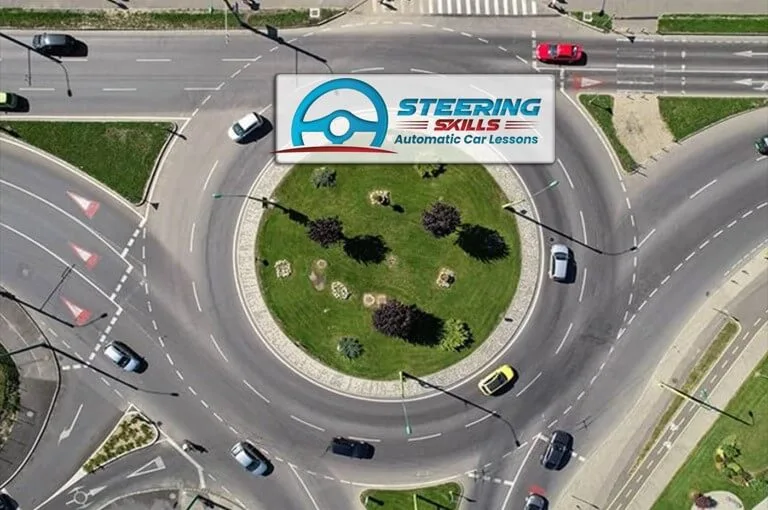
Road design strongly influences driver behaviour. Urban roads include multiple lanes, roundabouts, traffic lights, pedestrian crossings, and clearly marked priorities. These structures regulate movement but increase cognitive load.
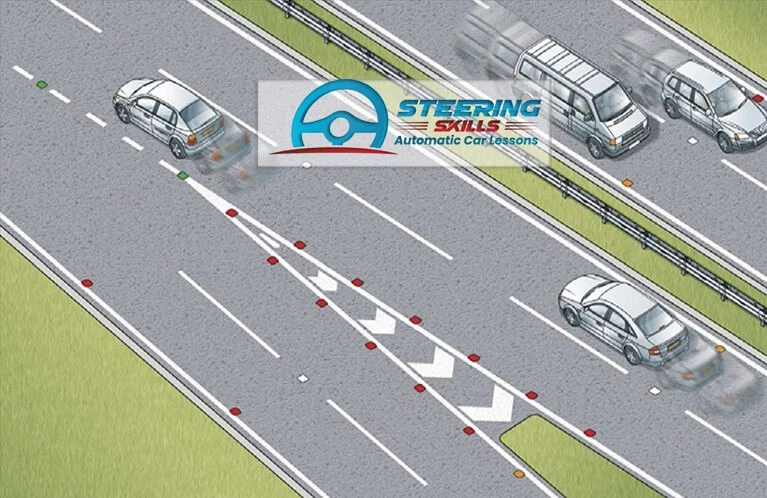
Rural roads can be narrow, winding, and poorly marked. Passing places, blind bends, and uneven surfaces are common. SteeringSkills UK teaches that lane discipline and positioning become even more important outside cities.
Drivers accustomed to London’s structured road systems may need time to adapt to unpredictable countryside layouts.
Hazard Types in City Driving vs Country Driving in UK
Hazard perception varies considerably. Urban hazards frequently involve human activity — pedestrians stepping onto crossings, cyclists filtering through traffic, or vehicles stopping unexpectedly.
Rural hazards are often environmental — mud on the road, sharp curves, animals crossing, or limited street lighting. SteeringSkills UK emphasises that rural risks can escalate quickly at higher speeds.
Understanding these distinctions improves anticipation and reduces panic reactions.
Stress and Fatigue in City Driving vs Country Driving in UK
Driver psychology also plays a major role. City driving can be mentally exhausting due to constant decision-making, congestion, and restricted movement. Heavy traffic in London often tests patience and emotional control. Country driving may appear relaxing but requires sustained concentration. Long stretches of open road can lead to complacency or reduced alertness. SteeringSkills UK encourages drivers to remain mentally engaged in both conditions.
Managing stress and fatigue improves consistency and safety.
Manoeuvring Challenges in City Driving vs Country Driving in UK
Vehicle handling demands differ significantly. Urban environments involve tight parking, narrow streets, multi-lane navigation, and frequent stopping. Precision steering and clutch control are essential. Rural driving requires smooth cornering, accurate positioning on narrow lanes, and anticipation of oncoming traffic where road space is limited. SteeringSkills UK highlights that improper positioning is a common rural error.
Each environment refines different aspects of vehicle control.
Defensive Driving and City Driving vs Country Driving in UK
Defensive driving strategies adapt to surroundings. In cities, defensive drivers anticipate unpredictable pedestrian behaviour and sudden traffic changes. Maintaining safe distances and calm decision-making is vital.
In rural settings, defensive techniques include speed moderation, early braking, and positioning for maximum visibility around bends. SteeringSkills UK consistently teaches that anticipation is the most reliable safety tool.
Whether navigating London streets or countryside roads, defensive awareness remains essential.
Transitioning Between Environments in City Driving vs Country Driving in UK
Many drivers struggle when switching between urban and rural roads. SteeringSkills UK advises gradual adaptation rather than abrupt behavioural shifts. Drivers leaving London should resist maintaining urban driving habits such as excessive braking or hesitation.
Similarly, rural drivers entering cities must prepare for increased stimuli, slower speeds, and complex junctions. Smooth adjustment reduces anxiety and improves decision accuracy.
Technology Considerations in City Driving vs Country Driving in UK
Modern vehicles provide navigation systems, driver assistance features, and safety alerts. While beneficial, SteeringSkills UK warns that drivers must not rely solely on automation. Environmental awareness and manual judgement remain crucial.
Urban areas like London may challenge navigation systems due to congestion and frequent diversions. Rural roads may present visibility or mapping limitations.
Technology supports safe driving but does not replace core skills.
Final Thoughts on City Driving vs Country Driving in UK
The debate around City Driving vs Country Driving in UK is not about which is harder, but which demands different skills. Urban environments require patience, rapid observation, and close-quarters awareness. Rural roads demand anticipation, speed discipline, and precise positioning.
SteeringSkills UK believes confident drivers are adaptable drivers. By understanding environmental differences and adjusting behaviour accordingly, motorists improve safety, reduce stress, and enhance overall driving competence. Mastery of both settings prepares drivers for the full spectrum of UK road conditions, from the busiest London streets to the quietest country lanes.
FAQs
Here are 10 FAQs for “City Driving vs Country Driving in UK” written from the SteeringSkills UK perspective:
What is the main difference between city and country driving in the UK?
At SteeringSkills UK, we teach that city driving involves dense traffic, frequent stops, pedestrians, cyclists, and complex junctions, while country driving presents higher speeds, narrower roads, sharp bends, and visibility limitations. Each setting requires different awareness and control techniques.
Is country driving easier than city driving?
SteeringSkills UK emphasises that country driving is not necessarily easier. While traffic may be lighter, rural roads introduce hazards such as blind bends, wildlife, farm vehicles, and unpredictable road conditions. Drivers must rely heavily on anticipation and positioning skills.
Why do many drivers find city driving more stressful?
From our experience at SteeringSkills UK, urban driving increases cognitive demand. Drivers must process traffic signals, lane changes, pedestrian activity, and close vehicle proximity simultaneously. Congestion and unpredictable behaviour often contribute to mental fatigue.
What hazards are most common in UK city driving?
SteeringSkills UK frequently prepares learners for urban risks including sudden braking, pedestrian crossings, cyclists filtering through traffic, buses stopping abruptly, and vehicles making unexpected manoeuvres. Continuous observation is critical in city environments.
What risks are associated with country roads in the UK?
We train drivers to recognise rural hazards such as concealed junctions, sharp curves, animals crossing, uneven road surfaces, and restricted visibility due to hedgerows or poor lighting. These risks often escalate at higher speeds.
How should drivers adjust speed between city and rural roads?
SteeringSkills UK advises drivers to match speed to conditions, not assumptions. Lower speeds improve reaction time in cities, while controlled, cautious speeds are essential on country roads where visibility and road width may be limited.
Does observation technique change between city and country driving?
Yes. SteeringSkills UK teaches that city driving demands short-range scanning for pedestrians and signals, whereas country driving requires long-range vision, bend assessment, and early hazard identification. Both require disciplined mirror usage.
Why is vehicle positioning so important on rural roads?
Proper positioning improves visibility, safety margins, and reaction time. SteeringSkills UK highlights that incorrect positioning on narrow country lanes is a common cause of near misses and collisions.
How can drivers reduce stress when moving between city and rural areas?
We recommend gradual adaptation. SteeringSkills UK encourages drivers to mentally reset when transitioning between environments, recognising that each setting demands different speeds, observation patterns, and decision-making strategies.
Do UK driving tests evaluate both city and country driving skills?
Absolutely. SteeringSkills UK prepares learners for varied road types because examiners assess observation, speed management, positioning, and hazard awareness across different driving environments.
Read more blogs
What’s the Difference between Intensive vs Regular Driving Course? | Lane Discipline Essentials 2026 | Junctions, Roundabouts and Crossing 2026 | Defensive Driving Skills in UK in 2026 | City driving vs country driving in UK