

ADAS and Smart Driving 2026
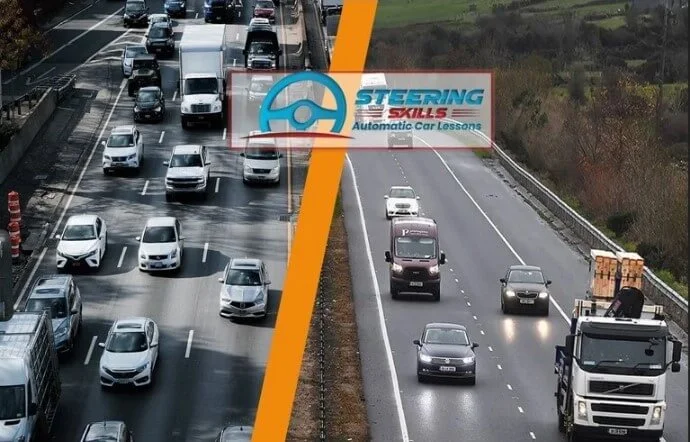
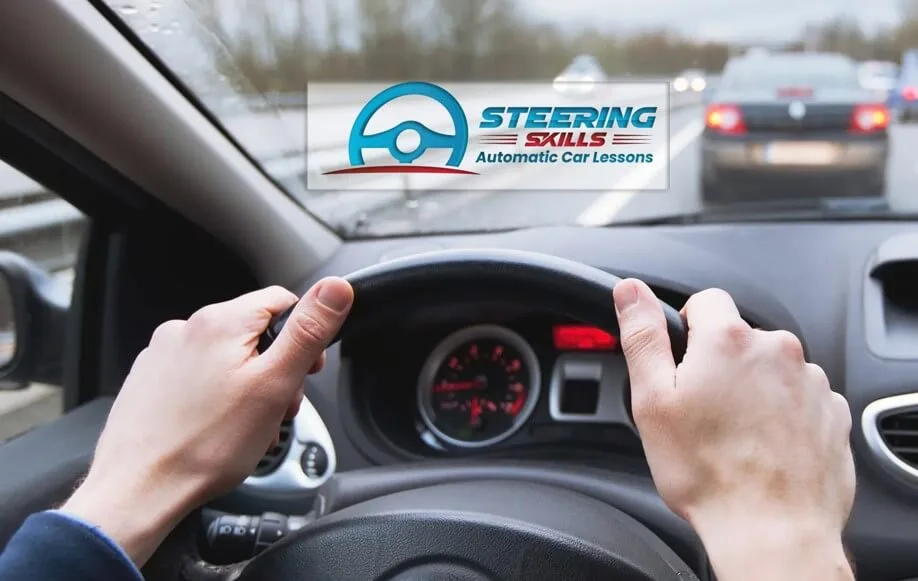
ADAS and Smart Driving in 2026 have become an essential part of modern driver education. Vehicles are now equipped with intelligent systems designed to assist drivers, improve road safety, and reduce human error. At SteeringSkills UK, we focus on teaching learners how to use these advanced technologies responsibly while maintaining full control of the vehicle. Smart driving is not about replacing driver skill, but about enhancing awareness, decision-making, and safety on today’s busy roads.
Understanding ADAS Technology
Advanced Driver Assistance Systems, known as ADAS, are electronic features that support drivers through automation and alerts. These systems rely on cameras, sensors, radar, and software to monitor road conditions, detect hazards, and assist with vehicle control. SteeringSkills UK ensures learners understand what ADAS does, how it works, and when it should be relied upon, without developing overconfidence or dependency.
The Importance of ADAS in Modern Road Safety
ADAS plays a vital role in reducing road accidents by supporting drivers during critical moments. Features such as collision warnings, lane alerts, and automatic braking help reduce reaction time and improve safety outcomes. At SteeringSkills UK, we explain how these systems act as a secondary safety layer while reinforcing the importance of observation, anticipation, and responsible driving behaviour.
Adaptive Cruise Control and Traffic Awareness
Adaptive cruise control automatically adjusts speed to maintain a safe distance from vehicles ahead. While this system improves comfort during longer journeys, SteeringSkills UK teaches learners that constant attention is still required. Drivers must monitor traffic flow, road conditions, and unexpected hazards, especially in urban areas where traffic patterns change rapidly.
Lane Keeping Assist and Driver Control
Lane keeping assist systems help maintain correct road positioning by detecting lane markings and gently adjusting steering. SteeringSkills UK trains learners to understand system alerts while maintaining proper steering input themselves. Learners are taught that road markings may be unclear or inconsistent, particularly in city driving, making active driver control essential at all times.
Automatic Emergency Braking and Collision Prevention
Automatic emergency braking systems are designed to reduce the severity of collisions or prevent them altogether. SteeringSkills UK explains how this feature supports braking response in emergency situations. Learners are trained to maintain safe following distances, anticipate traffic behaviour, and brake smoothly rather than relying solely on automated intervention.
Blind Spot Monitoring and Mirror Discipline
Blind spot monitoring provides alerts when vehicles are present in areas not visible through mirrors. At SteeringSkills UK, learners are taught that this feature enhances awareness but does not replace proper mirror checks and shoulder observations. Developing strong mirror discipline remains a key focus of every driving lesson.
Traffic Sign Recognition and Speed Awareness
Traffic sign recognition systems display speed limits and road signs inside the vehicle. SteeringSkills UK ensures learners understand how this technology supports compliance while emphasising that physical road signs, temporary restrictions, and local conditions must always take priority. Learners are trained to adapt speed appropriately rather than relying solely on dashboard displays.
Parking Assistance and Manoeuvring Skills
Parking assist systems can help guide vehicles into parking spaces using sensors and steering assistance. SteeringSkills UK ensures learners still master independent parking skills, including bay parking, parallel parking, and reversing safely. This approach builds confidence and ensures drivers remain capable even when smart features are unavailable.
Driver Monitoring and Fatigue Detection
Modern vehicles now include driver monitoring systems that detect fatigue, distraction, or lack of attention. SteeringSkills UK educates learners on the importance of rest, focus, and mental awareness. Smart alerts support safer driving, but personal responsibility remains essential for long-term road safety.
ADAS in Automatic and Electric Vehicles
ADAS features are especially common in automatic and electric vehicles, which are increasingly popular in the UK. SteeringSkills UK prepares learners to understand regenerative braking, smooth acceleration, and electronic driver aids. This training ensures learners adapt smoothly to new vehicle technologies while maintaining precise control.
Weather Conditions and System Limitations
ADAS performance can be affected by weather conditions such as heavy rain, fog, snow, or poor visibility. SteeringSkills UK teaches learners about these limitations so they understand when systems may not function correctly. Drivers are trained to adjust driving behaviour and rely on core skills in challenging conditions.
ADAS and the UK Driving Test Requirements
ADAS is allowed during the UK driving test, but examiners assess driver control, judgement, and safety awareness rather than technology usage. SteeringSkills UK prepares learners to demonstrate independent driving skills while understanding how assistance systems operate within test regulations.
Building Driver Confidence with Smart Technology
Learning how ADAS works builds confidence rather than confusion. SteeringSkills UK uses structured explanations and practical demonstrations to help learners feel comfortable using smart features correctly. This balanced approach ensures learners develop both technical knowledge and real-world driving competence.
Responsible Smart Driving in 2026
Smart driving in 2026 is about responsibility, awareness, and balance. Technology supports safer journeys, but the driver remains accountable for every decision. SteeringSkills UK focuses on developing skilled, confident drivers who use ADAS as a supportive tool while maintaining full responsibility, control, and respect for road safety principles.