
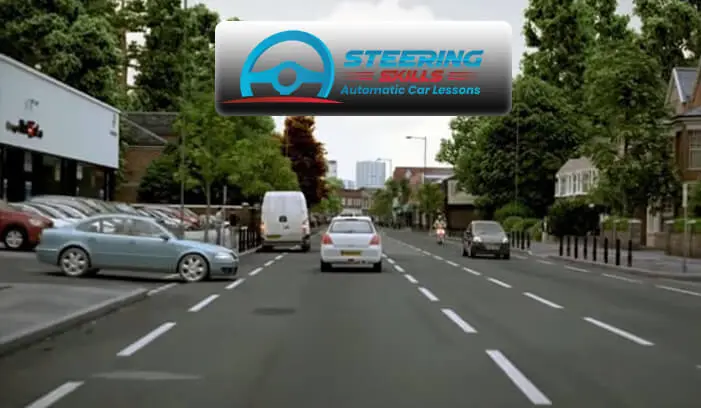
Hazard Perception Skills 2026
Introduction to Hazard Perception Skills in 2026
Hazard perception skills are the ability to identify, predict, and respond to potential dangers on the road before they become serious threats. In 2026, these skills are more important than ever due to increased traffic density, faster vehicles, and the growing number of vulnerable road users such as cyclists and pedestrians. Modern drivers must not only react to hazards but also anticipate them using situational awareness and observation techniques. Hazard perception plays a key role in accident prevention and safe driving behavior. It is now considered a core competency in driver training programs and is an essential part of driving tests worldwide.
Understanding What a Road Hazard Is
A road hazard is any situation that could cause harm or require a driver to change speed or direction. Hazards can be physical, such as potholes, parked vehicles, and roadworks, or behavioral, such as aggressive drivers, sudden braking, or pedestrians crossing unexpectedly. Environmental hazards include rain, fog, glare, and poor visibility. In 2026, digital distractions and electric vehicles also create new risk patterns. Recognizing these hazards early allows drivers to make safer decisions. Effective hazard perception involves scanning the road continuously and understanding how traffic situations may change within seconds.
The Role of Hazard Perception in Road Safety
Hazard perception is directly linked to road safety and accident reduction. Drivers who can identify risks early have more time to react smoothly and safely. Studies show that poor hazard detection is a leading cause of traffic collisions. By improving hazard perception skills, drivers reduce sudden braking, harsh steering, and panic responses. This results in fewer crashes and better traffic flow. In 2026, governments and road safety authorities emphasize hazard awareness as a major strategy to reduce injuries and fatalities. It also supports eco driving by encouraging smoother and more controlled driving behavior.
Visual Scanning and Situational Awareness
Visual scanning is the foundation of hazard perception. It involves checking mirrors, side roads, blind spots, and distant traffic conditions continuously. Situational awareness means understanding what is happening around your vehicle at all times. Drivers must monitor road signs, traffic lights, pedestrian movement, and vehicle behavior. In 2026, drivers must also consider smart road systems and automated vehicle indicators. Good scanning techniques help drivers predict problems before they occur. Instead of focusing only on the car ahead, drivers should look far ahead and observe patterns in traffic movement.
Predicting Other Road Users’ Behavior
Effective hazard perception requires predicting how other road users may behave. This includes watching for cyclists swerving, pedestrians hesitating at crossings, and drivers who may change lanes suddenly. Behavioral cues such as wheel movement, indicator use, and body language provide early warnings. In 2026, mixed traffic with autonomous and human-driven vehicles makes prediction even more important. Drivers who understand human behavior patterns can avoid dangerous situations. Anticipating mistakes by others is a key part of defensive driving and significantly improves overall road safety.
Reaction Time and Decision Making
Reaction time is the period between recognizing a hazard and taking action. Faster reaction times reduce stopping distances and collision risk. However, hazard perception focuses more on early detection than quick reflexes. Informed decision making allows drivers to choose the safest response, whether that means slowing down, changing lanes, or stopping. In 2026, driver training emphasizes calm and controlled responses rather than sudden movements. Good decision making depends on experience, alertness, and understanding traffic rules. Together, hazard perception and decision making form the backbone of safe driving skills.
Hazard Perception in Urban Driving
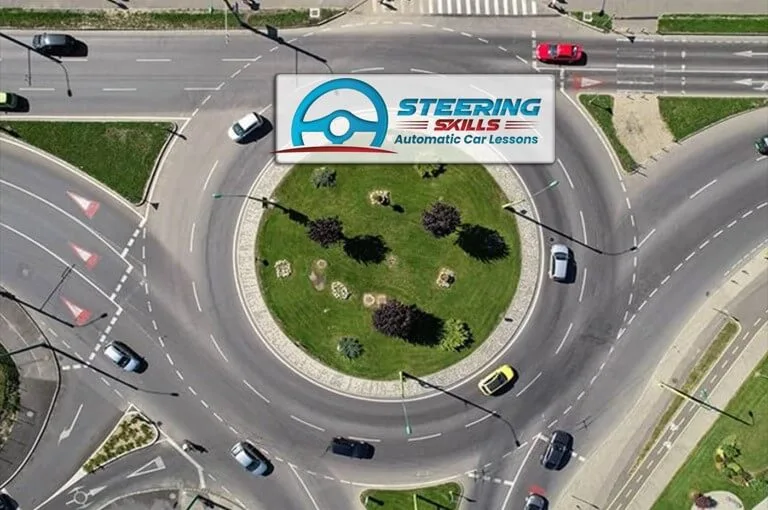
Urban environments present complex hazards such as busy intersections, school zones, parked cars, and delivery vehicles. Pedestrians and cyclists often appear suddenly, requiring constant attention. Traffic congestion increases the likelihood of sudden stops and lane changes. In 2026, urban roads also feature smart traffic signals and shared mobility systems. Drivers must adjust speed and maintain wider safety margins. Anticipating hazards in cities involves reading traffic patterns and understanding high-risk areas. Urban hazard perception helps prevent low-speed collisions and protects vulnerable road users.
Hazard Perception on Highways and Rural Roads
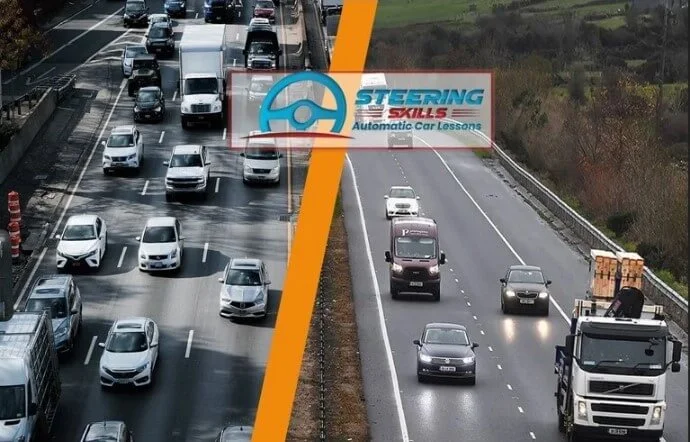
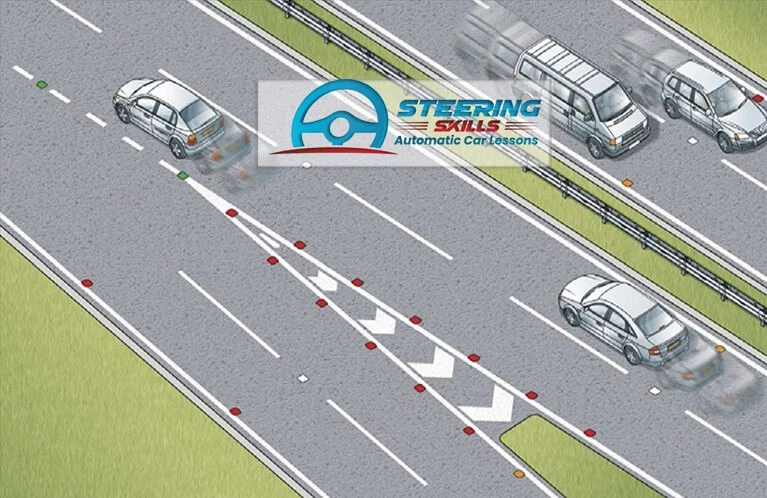
Highway and rural driving pose different hazard challenges. On highways, hazards include high-speed traffic, sudden braking, merging vehicles, and weather conditions. On rural roads, drivers may encounter animals, sharp bends, poor lighting, and uneven surfaces. In 2026, long-distance travel still requires strong hazard awareness due to fatigue and reduced concentration. Maintaining safe following distances and scanning far ahead are essential techniques. Drivers who apply hazard perception on high-speed roads improve both safety and fuel efficiency by avoiding unnecessary braking and acceleration.
Technology and Hazard Detection Systems
Modern vehicles use advanced driver assistance systems such as collision warning, lane departure alerts, and pedestrian detection. These technologies support hazard perception but do not replace human judgment. In 2026, vehicles communicate with traffic infrastructure to identify risks in real time. However, drivers must remain alert and engaged. Overreliance on automation can reduce natural hazard awareness. Technology should be seen as a support tool rather than a substitute for observation and decision making. Skilled drivers combine human perception with digital assistance for maximum safety.
Hazard Perception in Driving Tests and Training
Hazard perception testing is now a core part of driver licensing in many countries. These tests measure a driver’s ability to identify developing hazards in real-time video scenarios. In 2026, training programs use simulations and virtual reality to improve hazard recognition. Learners are taught to spot early warning signs and respond appropriately. Regular practice builds confidence and improves performance in real traffic conditions. Professional driver courses also emphasize hazard perception as a way to reduce insurance costs and improve fleet safety records.
Common Mistakes in Hazard Perception
Many drivers fail to detect hazards because they focus only on immediate obstacles. Common mistakes include tailgating, distraction, and poor mirror use. Mobile phone use and fatigue also reduce hazard awareness. In 2026, digital distractions remain a major concern. Another mistake is assuming other drivers will always follow rules. Skilled drivers expect unpredictable behavior and stay prepared. Correcting these habits through training and self-awareness can greatly improve driving performance and reduce accident risk.
The Future of Hazard Perception Skills
The future of hazard perception involves intelligent transport systems, connected vehicles, and artificial intelligence. These tools will provide real-time warnings and predictive safety alerts. However, human responsibility will remain essential. Drivers will need to work alongside technology rather than depend on it completely. Education and continuous learning will be central to improving hazard awareness. In 2026 and beyond, hazard perception will continue to evolve as a critical life-saving driving skill that supports sustainable mobility and accident prevention.
FAQs (Important LSI Keywords)
What is road safety awareness in hazard perception?
Road safety awareness means understanding traffic risks and recognizing dangerous situations early to prevent accidents.
How do defensive driving techniques improve hazard perception?
Defensive driving teaches drivers to anticipate errors made by others and respond calmly to potential hazards.
What is hazard detection in driving?
Hazard detection is the ability to spot developing dangers such as sudden stops, pedestrians, or lane changes before they become emergencies.
Why is driver reaction time important for hazard perception?
Faster reaction time allows drivers to respond quickly once a hazard is identified, reducing stopping distance and collision risk.
How does traffic risk prediction help prevent accidents?
Traffic risk prediction involves anticipating unsafe situations based on road conditions, driver behavior, and environmental factors.