
Speed Control and Eco Driving 2026: Smart Driving Techniques for Fuel Efficiency and Emission Reduction
Introduction to Speed Control and Eco Driving in 2026
In 2026, driving is no longer only about reaching a destination quickly; it is about driving responsibly, efficiently, and sustainably. Speed control and eco driving have become essential practices due to rising fuel costs, stricter emission standards, and increased awareness of climate change. These driving techniques focus on maintaining stable speeds, reducing unnecessary acceleration, and improving overall vehicle efficiency.
What Is Eco Driving and Why It Matters in 2026
Eco driving refers to a driving style that minimizes fuel consumption and reduces environmental impact. It includes smooth acceleration, maintaining optimal speed, and anticipating traffic conditions. In 2026, eco driving matters more than ever because transportation is a major contributor to air pollution and greenhouse gas emissions. Adopting eco-friendly driving habits helps drivers save money while supporting global sustainability goals.
The Relationship Between Speed Control and Fuel Consumption
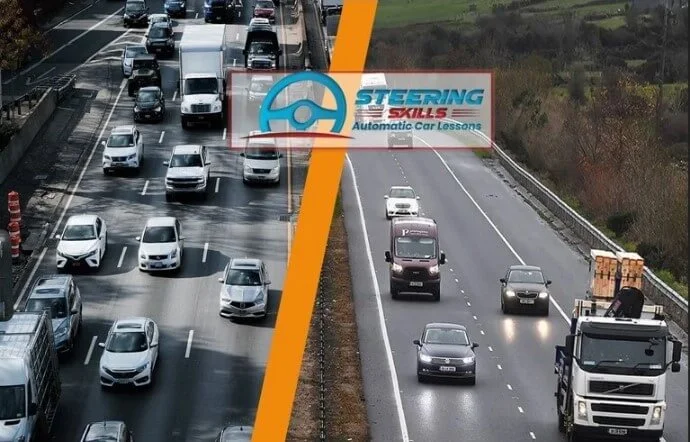
Speed has a direct impact on fuel usage. Driving at high speeds increases engine workload and air resistance, causing the vehicle to burn more fuel. Consistent speed control allows the engine to operate efficiently and reduces sudden fuel surges. Maintaining a steady speed, especially on highways, can significantly improve mileage and lower fuel expenses.
How Excessive Speed Increases Carbon Emissions
Excessive speed leads to higher fuel combustion, which results in increased carbon dioxide and other harmful emissions. Rapid acceleration and frequent braking waste energy and release more pollutants into the atmosphere. By controlling speed and driving smoothly, drivers can reduce their carbon footprint and contribute to cleaner air and healthier communities.
Smart Speed Management for Better Mileage
Smart speed management involves planning ahead, using cruise control where suitable, and avoiding aggressive driving. Keeping within recommended speed limits improves fuel efficiency and engine performance. Gradual acceleration, early gear changes, and maintaining momentum in traffic are practical methods to achieve better mileage and smoother driving.
Role of Technology in Speed Control and Eco Driving
Modern vehicles in 2026 are equipped with advanced technologies that support eco driving. Features such as adaptive cruise control, speed limiters, eco mode, and real-time fuel consumption displays help drivers maintain efficient speeds. Driver assistance systems also monitor traffic flow and suggest optimal driving behavior, making eco driving easier and more effective.
Benefits of Eco Driving for Drivers and the Environment
Eco driving offers multiple benefits. Drivers experience reduced fuel costs, lower vehicle maintenance expenses, and improved driving comfort. Environmentally, it helps decrease air pollution and conserves natural resources. Eco driving also promotes responsible road behavior, making driving safer and more sustainable for future generations.
Practical Eco Driving Tips for Urban and Highway Driving
In urban areas, drivers should anticipate traffic lights, avoid harsh braking, and maintain smooth acceleration. In highway driving, maintaining a steady speed and using cruise control can significantly reduce fuel use. Reducing vehicle load, checking tire pressure, and turning off the engine during long stops also support eco-friendly driving practices.
How Speed Control Improves Road Safety
Speed control is not only about saving fuel; it also improves road safety. Driving at controlled speeds gives drivers more time to react to hazards and reduces the severity of accidents. Smooth driving lowers the risk of skidding, sudden stops, and collisions. Safer driving conditions benefit both drivers and pedestrians.
Eco Driving Training and Awareness in 2026
Many driving schools and transport authorities now promote eco driving training programs. These courses educate drivers on efficient speed control, fuel-saving techniques, and environmentally responsible behavior. Public awareness campaigns and digital learning platforms also encourage drivers to adopt greener driving habits in everyday life.
Government Policies and Speed Regulations Supporting Eco Driving
Governments worldwide are introducing stricter speed regulations and emission laws to encourage eco driving. Lower speed limits in urban areas, congestion control systems, and green transport incentives support fuel efficiency and environmental protection. These policies help shape a driving culture focused on sustainability and safety.
Future Trends in Speed Control and Eco Driving
The future of eco driving includes artificial intelligence, smart mobility systems, and the growth of electric and hybrid vehicles. Intelligent traffic management systems will guide vehicles to maintain optimal speeds, while connected vehicles will communicate with road infrastructure to reduce congestion and emissions. Speed control will become increasingly automated, supporting both efficiency and environmental goals.
FAQs
1. What is eco driving and how does speed control support it?
Eco driving is a fuel-efficient and environmentally responsible driving style. Speed control supports eco driving by reducing unnecessary acceleration and maintaining steady speeds, which lowers fuel consumption and emissions.
2. What is the most fuel-efficient speed for driving?
For most vehicles, the most fuel-efficient speed range is between 45 and 65 miles per hour (70 to 105 km/h), depending on road and traffic conditions.
3. How does speeding affect fuel economy and emissions?
Speeding increases fuel use and produces higher carbon emissions because the engine works harder and air resistance becomes stronger at higher speeds.
4. Can vehicle technology help improve eco driving?
Yes, modern vehicles use features like cruise control, eco mode, speed limiters, and driver-assist systems to help maintain efficient speeds and improve fuel economy.
5. Is eco driving useful for electric and hybrid vehicles?
Yes, eco driving is important for electric and hybrid vehicles because smooth speed control improves battery efficiency and extends driving range.
Read more blogs:
ADAS and Smart Driving 2026 | Vehicle Controls Basics 2026 | Essential Skills Every New Driver Must Learn in UK