

Driving Test Routes in London: A Beginner’s Guide
Understanding Driving Test Routes in London
Driving test routes in London are carefully designed paths used by examiners to assess a learner’s driving ability in real-world conditions. These routes include a mix of residential roads, busy high streets, roundabouts, junctions, and dual carriageways. While the exact routes may vary, they are structured to test observation, control, judgement, and compliance with traffic rules. Beginners often feel anxious about unknown routes, which is why understanding their purpose is important. Familiarity helps learners stay calm and focused during the practical driving test. Although this guide is written for UK learners by SteeringSkillUK, the principles apply universally and help candidates prepare confidently for London driving test conditions.
Why Learning Test Routes Helps Beginners
Learning driving test routes gives beginners a strong advantage by reducing uncertainty on test day. When learners recognise common roads, junction layouts, and traffic patterns, they can focus more on driving safely rather than navigating unfamiliar situations. Knowing typical routes also improves hazard perception and decision-making skills. In London, where traffic density is high, preparation is essential. Practising likely test routes builds confidence and consistency, especially for first-time candidates. SteeringSkillUK recommends combining route familiarity with professional driving lessons to ensure learners develop both technical skills and situational awareness needed to pass the driving test.
Common Features of London Driving Test Routes
London driving test routes share several common features designed to assess a learner’s overall driving competence. These often include controlled and uncontrolled junctions, roundabouts, pedestrian crossings, traffic lights, and varying speed limits. Candidates may also encounter narrow roads, parked cars, bus lanes, and cycle lanes. Examiners use these features to test observation, mirror usage, signalling, and road positioning. Understanding these common elements helps beginners prepare effectively. SteeringSkillUK highlights the importance of practising in varied traffic conditions to build confidence and adaptability, which are essential for success on London roads.
Busy Roads and Traffic Management Skills
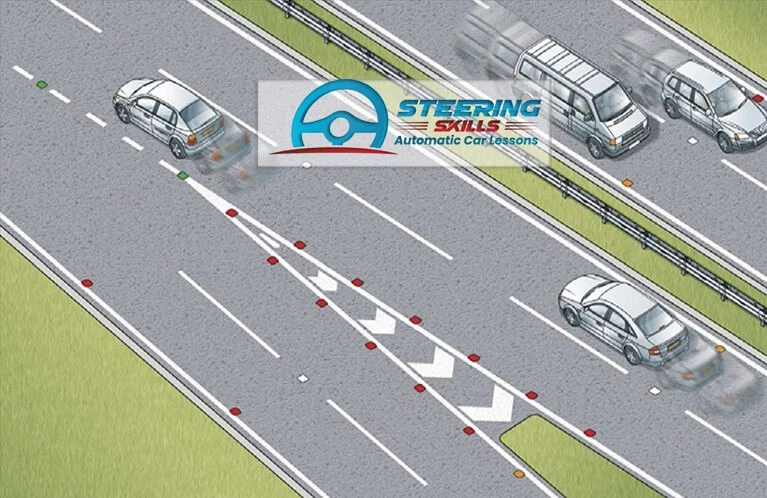
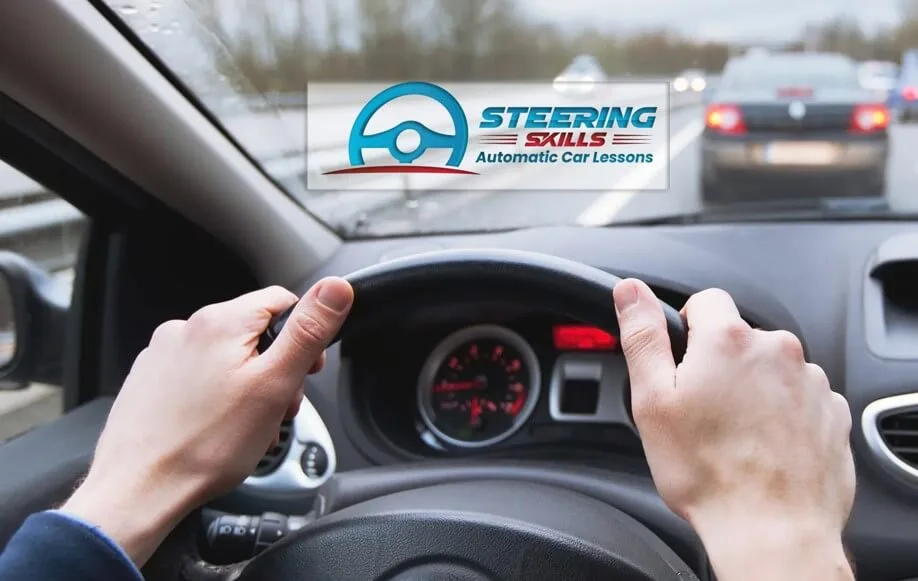
Driving in London requires strong traffic management skills due to heavy congestion and frequent stops. Test routes often include busy roads to assess how learners handle pressure, maintain safe following distances, and respond to changing traffic flow. Beginners must demonstrate patience, smooth clutch control, and correct lane discipline. Awareness of buses, cyclists, and pedestrians is crucial. Practising on busy roads helps learners stay calm and make safe decisions. SteeringSkillUK encourages learners to view traffic challenges as opportunities to demonstrate control and confidence rather than obstacles during the driving test.
Roundabouts and Junctions on Test Routes
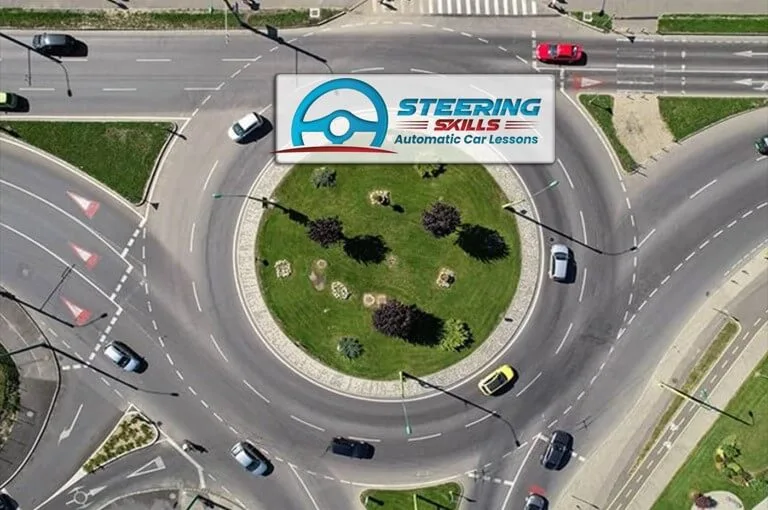
Roundabouts and junctions are key components of London driving test routes. Examiners closely observe how learners approach, give way, signal, and exit safely. Multi-lane roundabouts are common and can be intimidating for beginners. Proper lane selection, mirror checks, and timely signalling are essential. Junctions may include complex layouts, requiring clear observation and judgement. Practising these scenarios repeatedly helps build muscle memory and confidence. SteeringSkillUK advises learners to slow down, observe carefully, and plan ahead when approaching roundabouts and junctions during the test.
Residential Areas and Narrow Streets
Residential streets form an important part of London driving test routes. These areas test low-speed control, awareness of parked cars, and the ability to anticipate hazards such as pedestrians and cyclists. Narrow roads require careful positioning and patience when giving way to oncoming traffic. Learners must demonstrate good judgement and courtesy. Examiners assess how well candidates manage space and maintain safety. SteeringSkillUK emphasises practising residential driving to develop smooth steering, controlled braking, and constant observation, all of which are essential for passing the test.
Dealing with Speed Limits and Road Signs
Correctly following speed limits and road signs is critical on London driving test routes. Speed limits can change frequently, especially near schools, residential zones, and major roads. Learners must stay alert and adjust speed accordingly. Missing a sign or driving too fast can lead to driving faults or test failure. Understanding common UK road signs and markings helps beginners respond quickly and confidently. SteeringSkillUK recommends regular practice with commentary driving to reinforce awareness of speed changes and signage throughout the test route.
Independent Driving Section Explained
During the practical driving test, learners must complete an independent driving section lasting around twenty minutes. On London test routes, this may involve following road signs, a sat-nav, or verbal directions. This section assesses decision-making, observation, and route-following skills. Learners are not penalised for taking a wrong turn unless it results in unsafe driving. Remaining calm and focused is essential. SteeringSkillUK advises practising independent driving regularly to build confidence and ensure learners can drive safely without constant instruction.
Manoeuvres Included on Test Routes
Driving test routes in London include one manoeuvre chosen by the examiner. This may be parallel parking, bay parking, pulling up on the right, or reversing out of a parking space. These manoeuvres are usually completed in quieter areas along the route. Accuracy, observation, and control are closely assessed. Beginners should practise manoeuvres until they feel comfortable performing them under pressure. SteeringSkillUK stresses that slow, controlled movements and clear observation checks are more important than speed during manoeuvres.
Handling Pedestrian Crossings Safely
Pedestrian crossings are common on London driving test routes and require careful attention. Learners must recognise different types of crossings, including zebra, pelican, and puffin crossings. Correct responses include slowing down, stopping when required, and giving way to pedestrians. Examiners assess anticipation and awareness in these situations. Hesitation or failure to stop correctly can result in faults. SteeringSkillUK encourages learners to approach crossings cautiously and always prioritise pedestrian safety during the test.
Bus Lanes and Cycle Awareness
London roads feature numerous bus lanes and cycle lanes, making awareness essential during the driving test. Learners must understand when bus lanes are operational and avoid entering them incorrectly. Cyclists are frequent road users, and maintaining safe passing distances is critical. Examiners closely observe how learners share the road responsibly. SteeringSkillUK highlights the importance of mirror checks, signalling, and positioning to demonstrate awareness of vulnerable road users throughout the test route.
Common Mistakes Beginners Make on Routes
Beginners often make avoidable mistakes on London driving test routes, such as poor mirror checks, incorrect lane positioning, or hesitation at junctions. Nervousness can also lead to stalling or rushed decisions. Awareness of these common errors allows learners to prepare more effectively. Practising under realistic test conditions helps reduce anxiety and improve consistency. SteeringSkillUK advises focusing on calm decision-making, steady observation, and safe driving habits to avoid minor and serious faults during the test.
How to Practise Driving Test Routes Effectively
Effective practice involves more than simply memorising routes. Learners should practise at different times of day to experience varied traffic conditions. Combining route familiarity with skill development improves confidence and adaptability. Mock driving tests and instructor feedback help identify areas for improvement. SteeringSkillUK recommends structured practice sessions that simulate real test scenarios, helping beginners feel fully prepared and confident on the actual driving test day.
Test Day Tips for London Beginners
On test day, preparation and mindset are crucial. Arriving early, staying calm, and listening carefully to the examiner’s instructions help reduce stress. Learners should focus on safe, legal driving rather than perfection. Small mistakes do not always result in failure if handled safely. SteeringSkillUK encourages beginners to trust their training, stay observant, and drive confidently throughout the test route.
Building Confidence for Long-Term Driving Success
Passing the driving test is only the beginning of a learner’s driving journey. Confidence gained from understanding test routes and driving conditions supports long-term road safety. London’s complex road environment requires continuous learning and awareness. SteeringSkillUK believes that strong foundational skills, calm judgement, and responsible driving habits lead to lasting success well beyond the driving test.
Frequently Asked Questions
Are driving test routes always the same in London?
No, routes can vary, but they follow similar patterns and include common road features.
Can learners practise official test routes?
Learners can practise commonly used roads, but exact routes are not officially published.
Do examiners use sat-nav during the test?
Yes, independent driving may involve following sat-nav instructions on London test routes.
Are London driving tests harder than other areas?
London tests can feel more challenging due to higher traffic levels and complex road layouts.
How can beginners feel more confident on test routes?
Regular practice, mock tests, and staying calm help build confidence.